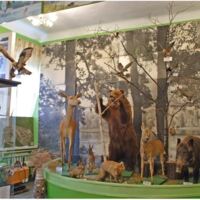
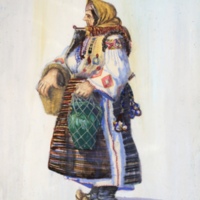
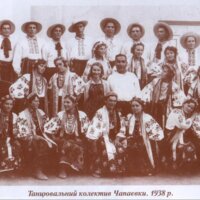
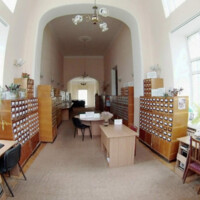
Workers, collective farm workers, youth of the city and district took part in the creation of the museum. In their free time, they rearranged rooms, decorated the interior and exterior of the building, and made stands and showcases. Pensioners, veterans of civil war and World War II actively collected materials, household items, various documents, which later became museum exhibits. The museum's collection includes more than 6,000 items, including archaeological, natural and written and printed items, numismatics, photos, ethnography, and memorial items. All these things characterize the material and spiritual heritage of Ukrainian and other peoples living in the region, their way of life.
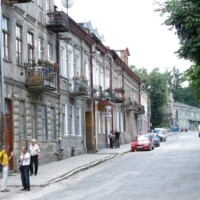
At the beginning of the Second World War, Buchach had 11,100 inhabitants, of whom 2,400 were Ukrainians, 3,550 Poles, and 5,150 Jews. In 1959, Buchach had 7,000 inhabitants. Such a sharp decrease in the population of the city is explained by the Nazi genocide against the Jews, the deportation of Poles to the territory of Poland and the losses of Ukrainians in the struggle against the Stalinist regime. Today, the population of the city is 12,600, the area of the city is 1,026 hectares.
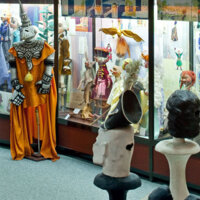
The Kharkiv Museum of Theater Puppets is the oldest in Ukraine. In the shop windows are presented dolls that played on the stage of the theater both in performances for children and for adults.
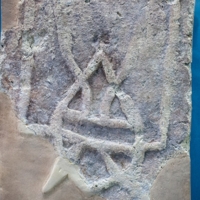
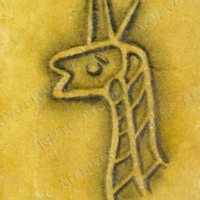
Squeeze of an animal head, found in an archaeological dig in 1891. The dig was in Tauric Province, in the city-site of Chersonesos, within the city walls.